


Is Your Nissan Juke Alternator Causing Electrical Problems?
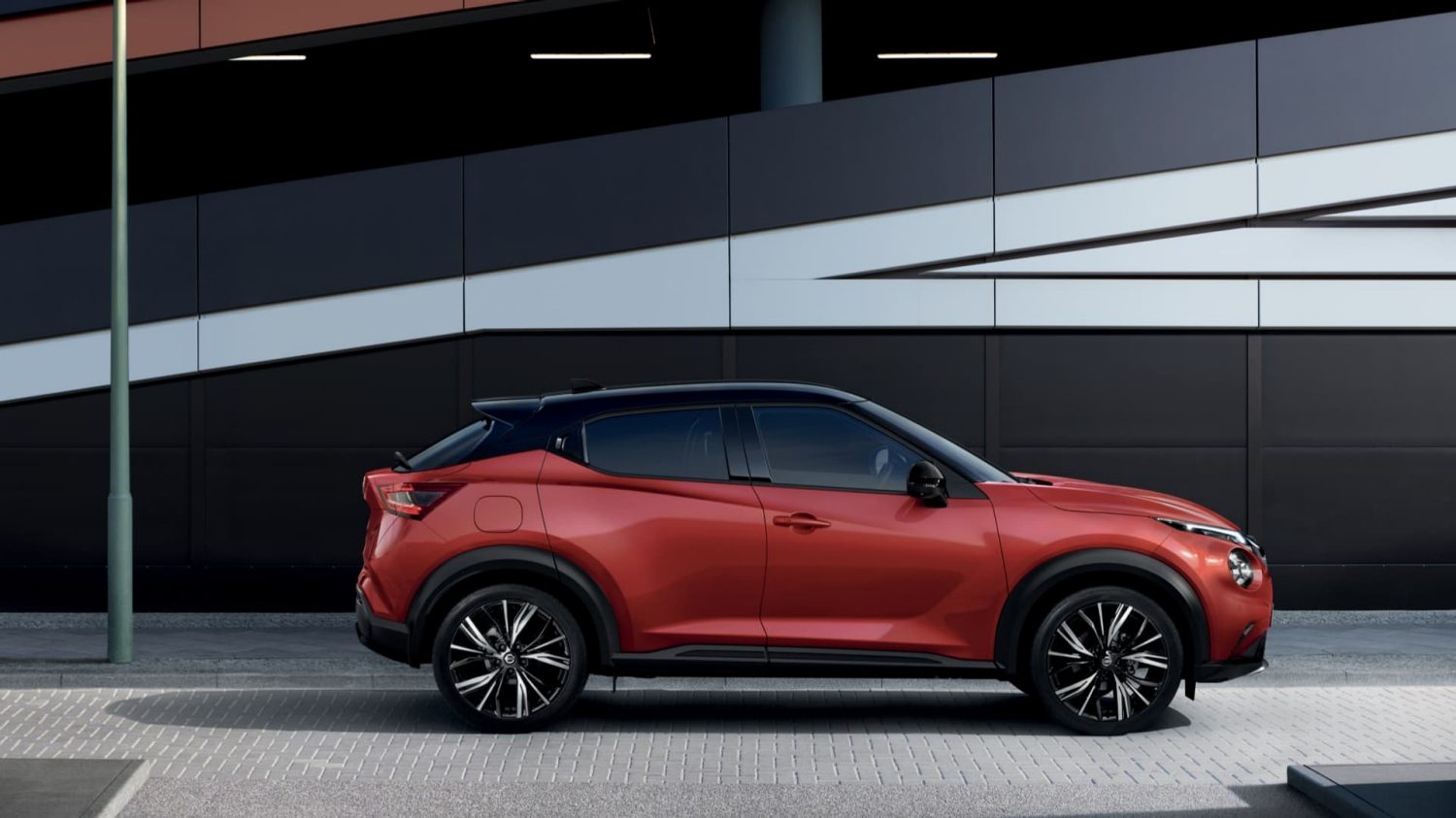
The alternator for your Nissan Juke is essential to your vehicle’s electrical system. It charges the battery and powers electrical systems while the engine is running. If you’re experiencing issues like dim headlights, battery warning lights, or malfunctioning electrical accessories, the alternator could be the problem. Common problems include alternator belt wear, pulley malfunctions, and voltage inconsistencies, all of which can affect your vehicle’s performance and reliability.
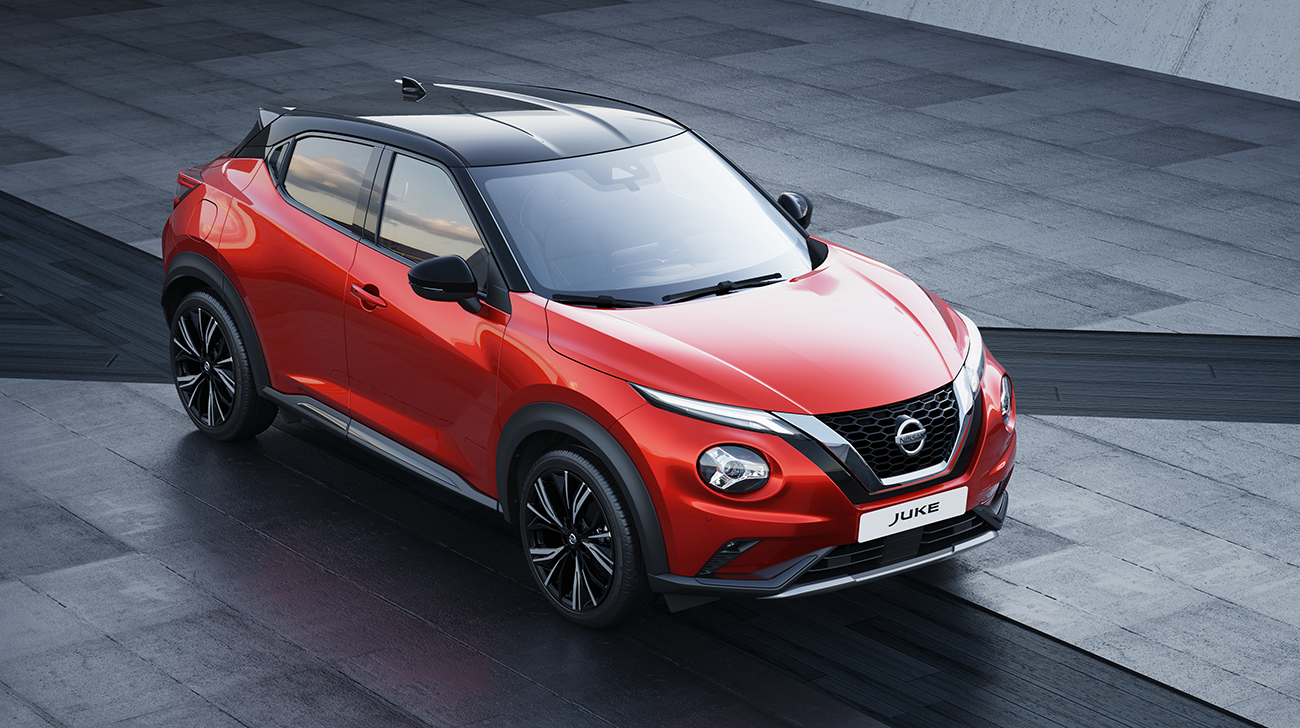
The Nissan Juke is a subcompact crossover known for its distinctive and polarizing design, sporty performance, and available all-wheel drive. However, older models had common problems with engine and transmission issues, and its sloping roofline reduces rear and cargo space. Nissan discontinued the Juke in the U.S., replacing it with the Kicks, so keeping your current Juke well maintained is especially important if you want to enjoy its unique style and fun-to-drive character for years to come.
How Does the Alternator Work in Your Nissan Juke?
Before diving into troubleshooting, it’s helpful to understand the role of the alternator in your Nissan Juke. The alternator converts mechanical energy from the engine into electrical energy. This energy is used to charge the battery and power your car’s electrical systems, such as the lights, radio, and climate control.
If the alternator fails or doesn’t perform efficiently, it can lead to various electrical problems, including:
-
A faulty Nissan Juke alternator pulley preventing proper alternator operation
-
Insufficient charging, leading to a dead or weak battery
-
Nissan Juke alternator voltage fluctuations that affect the car’s electrical performance
Knowing the signs of a malfunctioning alternator can help you prevent further issues and avoid getting stuck with a Nissan Juke that will not start.
What Are the Common Symptoms of a Faulty Nissan Juke Alternator?
Several indicators suggest that your Nissan Juke alternator may not be functioning correctly. Look out for these common symptoms:
1. Are Your Headlights Flickering or Dimming?
If your headlights begin to dim or flicker, it could indicate that your Nissan Juke alternator isn’t supplying enough power. When this happens, your vehicle’s electrical systems run off the battery, draining it quickly and making night driving more stressful.
2. Is the Battery Warning Light on Your Dashboard Lit?
If you see the battery warning light on the dashboard, this is a clear sign that the alternator for your Nissan Juke may not be charging the battery properly. Addressing this as soon as possible is important to avoid being stranded with a dead battery.
3. Is Your Nissan Juke Hard to Start?
A failing alternator can drain the battery, making it difficult to start your Nissan Juke. If you experience starting issues, particularly after your car has been off for a while, a Nissan Juke alternator problem could be the reason.
4. Are Your Nissan Juke Electrical Accessories Malfunctioning?
If electrical accessories like the radio, air conditioning, or power windows become intermittent or malfunction, this can often point to Nissan Juke alternator issues. These systems rely on a steady power supply from the alternator.
For a closer look at available SUVs and trims,
visit Gary Yeomans Pre-Owned
Super Center to compare features and options and explore a variety of pre-owned vehicles that fit your lifestyle.
How Can You Test the Alternator in Your Nissan Juke?
Testing the alternator is essential for clearly understanding electrical malfunctions in your Nissan Juke. You can perform a few simple checks at home, but if anything seems off, professional testing at a trusted service center is a smart next step.
1. How Do You Check the Battery Voltage?
With the engine off, measure the voltage across the battery terminals using a multimeter. A fully charged battery should read around 12.6 volts. When you start the engine, the voltage should rise to about 13.7–14.7 volts. If it remains below 13.7 volts, the Nissan Juke alternator may not be working properly.
2. How Do You Inspect the Alternator Belt?
A worn or loose alternator belt can prevent your alternator from spinning at the correct speed, causing charging issues. This is a common problem that leads to Nissan Juke alternator problems. If the belt looks cracked, worn, or too loose, it may need to be replaced.
When Should You Replace the Nissan Juke Alternator Belt?
If the Nissan Juke alternator belt is faulty, it can prevent your alternator from operating correctly, leading to insufficient charging. Replacing the alternator belt is a relatively straightforward task if you are comfortable working under the hood. Here’s how you can do it:
How Do You Replace the Nissan Juke Alternator Belt Step by Step?
-
Locate the Alternator Belt
: The alternator belt in your Nissan Juke is located at the front of the engine and should be easily visible.
-
Loosen the Tensioner Pulley
: Use a wrench or socket to loosen the tensioner pulley, which will relieve the tension on the belt.
-
Remove the Old Belt
: Carefully remove the old alternator belt from the alternator and other pulleys.
-
Install the New Belt
: Install the new belt over the alternator and all the relevant pulleys, ensuring it’s properly aligned.
-
Tighten the Tensioner Pulley
: Once the new belt is in place, tighten the tensioner pulley to ensure the belt is taut and operating smoothly.
How Do You Replace Your Nissan Juke Alternator?
Sometimes, your Nissan Juke’s alternator may need to be replaced entirely. If your alternator is damaged or worn beyond repair, you can follow these general steps or let experienced technicians handle the job:
-
Disconnect the Battery
: Start by disconnecting the negative terminal of your vehicle’s battery to avoid electrical shocks.
-
Remove Any Obstructions
: You may need to remove the air intake or other components blocking access to the alternator.
-
Loosen the Mounting Bolts
: Use a socket wrench to remove the alternator mounting bolts.
-
Remove the Alternator
: Carefully remove the old alternator once the bolts are removed.
-
Install the New Alternator
: Place the new alternator into the mounting bracket and secure it with the bolts.
-
Reconnect the Battery
: Reconnect the battery terminals and start the engine to check that the alternator works correctly and the warning light is off.
You can also stop by
our Service Center
for maintenance needs, including battery and electrical system checks from the team at Gary Yeomans Pre-Owned Super Center.
What Nissan Juke Alternator Pulley and Voltage Issues Should You Watch For?
Sometimes, the issue isn’t with the Nissan Juke alternator itself but with the alternator pulley or voltage regulator. These components play crucial roles in ensuring the alternator works properly and delivers stable power.
1. What Alternator Pulley Problems Affect the Nissan Juke?
The alternator pulley in your Nissan Juke helps drive the alternator and allows it to generate power. If the pulley becomes damaged or worn, it can lead to poor alternator performance. Nissan Juke alternator pulley problems are typically easy to spot with a visual inspection or if you hear unusual squealing noises from the belt area.
2. What Voltage Regulator Issues Affect the Nissan Juke?
The voltage regulator controls the electrical output of the alternator, ensuring the battery receives the correct voltage. If the regulator fails, fluctuating voltage from the alternator may damage other electrical components in your car or cause random warning lights.
3. How Do You Choose the Correct Nissan Juke Alternator?
Ensure you buy a compatible alternator for your Nissan Juke by matching the part number and specifications. A high-quality replacement alternator is important to ensure long-lasting performance and reduce the chance of repeat charging system problems.
4. Should You Fix Your Nissan Juke Alternator Yourself or Get Professional Help?
If you’re uncomfortable replacing the alternator or diagnosing electrical issues, it’s best to get professional help. The service team at Gary Yeomans Pre-Owned Super Center can assist with Nissan Juke alternator diagnostics and repairs so you can drive with confidence.
How Often Should You Check Your Nissan Juke Alternator?
For most drivers, it is a good idea to have the charging system, including the alternator and battery, inspected at least once a year or every 12,000–15,000 miles. If you frequently take short trips, use many electrical accessories, or drive in hot Florida weather around Daytona Beach, checking it more often can help catch problems early.
During routine service visits, ask to have the alternator output tested, the belt inspected, and the battery load tested. These simple checks can help prevent surprise no-start situations, especially if your Nissan Juke is an older model or already has higher mileage.
Staying ahead of Nissan Juke alternator problems is an easy way to extend the life of your vehicle and enjoy its unique styling and sporty feel without worrying about unexpected electrical issues.
The all-electric C-HR is set to make a major impact in the compact SUV segment. Explore similar
vehicles by browsing pre-owned inventory
to see a wide range of options that fit your needs.
How Can You Troubleshoot Your Nissan Juke Alternator in Daytona Beach?
If you’re a Nissan Juke owner in Daytona Beach, you understand the importance of keeping your vehicle in top shape. The humid Florida climate and hot summer months can strain your car’s electrical systems. If you’re experiencing Nissan Juke alternator issues such as poor voltage or malfunctioning electrical accessories, it’s essential to get them checked out by professionals.
At Gary Yeomans Pre-Owned Super Center near Daytona Beach, we provide expert alternator diagnostics and repairs. Whether you need alternator belt replacement or a full Nissan Juke alternator replacement, our certified technicians are ready to help keep your vehicle running smoothly on the roads of Daytona Beach and beyond.
How Can You Keep Your Nissan Juke Alternator in Top Condition?
Troubleshooting a faulty Nissan Juke alternator starts with recognizing the symptoms and performing some basic tests. Whether you need to replace the alternator belt, fix a malfunctioning pulley, completely replace the alternator, or address related electrical issues, following the steps outlined above will help keep your Nissan Juke running smoothly. If you need help, the certified technicians at Gary Yeomans Pre-Owned Super Center are ready to assist with Nissan Juke alternator problems, brake services, battery replacements, tire rotations, and more.
0 comment(s) so far on Is Your Nissan Juke Alternator Causing Electrical Problems?